Navigating Disruption: Strategic Leadership and Innovation in the AI Era
AI is advancing faster than most governance structures can handle. Here is what Elon Musk's blueprint for long-horizon thinking, peer-led oversight, and execution discipline means for executives today



Technological shifts rarely grant executives the luxury of gradual adaptation. As artificial intelligence advances at an unprecedented pace, founders and CEOs face a structural challenge: how to execute long-term, high-risk innovation within institutional environments built around short-term accountability.
Insights from Elon Musk’s recent commentary with The Economist offer a practical blueprint for leaders steering organizations through rapid technological disruption, complex corporate governance, and expanding geopolitical realities.
The Velocity of AI and the Builder Mindset
The rate of progress in frontier AI models requires a fundamental recalculation of enterprise strategy. With current trajectory curves suggesting AI capabilities may surpass collective human intelligence within the decade, leaders must evaluate whether their core product roadmaps remain viable.
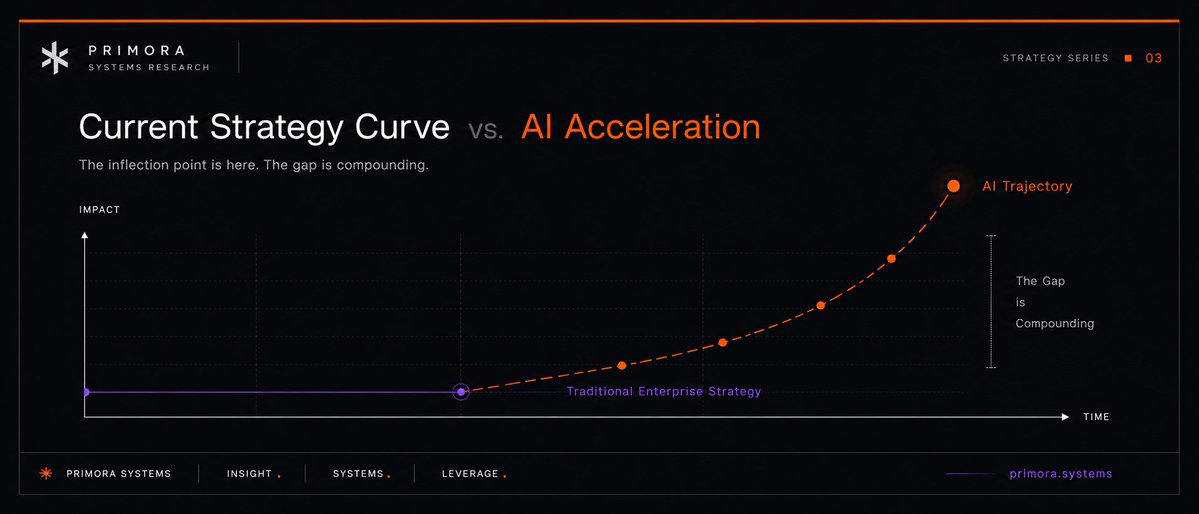
Navigating this environment requires two core operating shifts:
- Prioritizing Long-Horizon Value Creation: Quarterly earnings pressure often incentivizes incremental updates over structural bets. Operating with an instinctive builder mindset requires anchoring capital allocation to 5- to 10-year technological outcomes rather than immediate market sentiment.
- Peer-Led AI Governance: Rather than waiting for complex regulatory frameworks to materialize, frontier industry players benefit from proactive self-regulation. A "competitors-keep-each-other-honest" model, wherein peer firms perform private safety and capability testing prior to public model deployments, helps mitigate systemic tail risks while preserving innovation velocity.
Governance and Corporate Control
Executing high-variance, breakthrough R&D often runs counter to the risk profile of public equity markets. When capital-intensive investments carry multi-year payback periods, governance structures become a strategic variable.
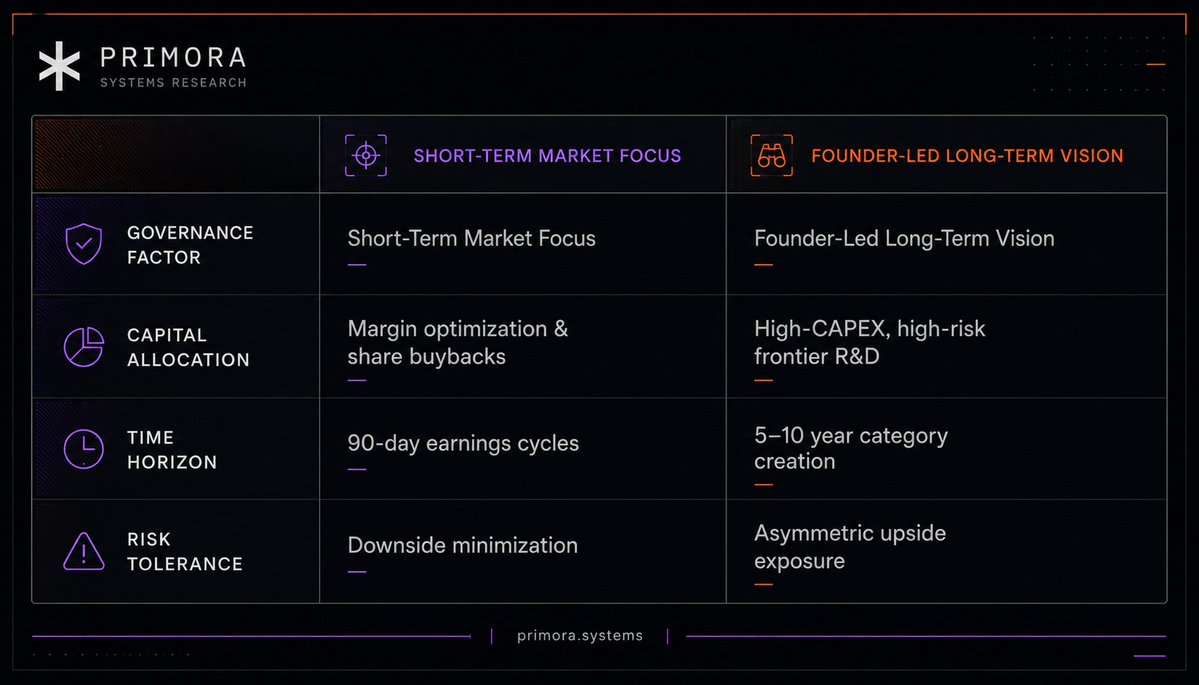
Retaining sufficient governance and voting control allows leadership to shield transformative projects from short-term public market volatility. However, equity control alone is insufficient; it must be backed by a clear, actionable operational roadmap that explicitly communicates why temporary earnings dips are necessary to secure category dominance.
Geopolitics, Public Perception, and Leadership
As technology companies build core infrastructure, ranging from satellite communications to global AI platforms, founders increasingly operate on the global political stage. Managing this expanded surface area demands strict operational clarity:
- Decisive Execution Amid Noise: High-profile technological initiatives naturally attract public and media scrutiny. Operational resilience comes from evaluating progress purely through execution metrics and real-world results rather than media narratives.
- Pragmatic Operational Principles: Modern leadership often requires navigating polarized cultural and political landscapes. Focusing on pragmatic, foundational principles, such as operational safety, fiscal discipline, and organizational clarity, allows leaders to maintain focus on mission-critical objectives despite external discourse.
Strategic Takeaways for Executives
- Protect the 10-Year Mission: Establish corporate governance structures that allow your organization to sustain high-CAPEX, long-horizon bets without compromising to quarterly market cycles.
- Institute Peer Transparency: Engage proactively with industry peers on critical safety and risk benchmarks. Transparency among competitors operates as a strategic risk reducer.
- Anchor to Execution Metrics: Filter out external commentary and measure success strictly by operational output, product velocity, and core value creation.






Build beyond the current cycle
Markets move. Interfaces evolve. Incentives shift. What endures is structure. If your ambition extends past momentum,